Water Bores Rainbow Beach & Tin Can Bay
Secure Your Water Supply in Tin Can Bay & Rainbow Beach
Thank you for contacting NRG Drilling.
We will get back to you as soon as possible.
Oops, there was an error sending your message.
Please try again later.
Built to outlast shifting ground, salt and sand

Bore Drilling That Handles Coastal Conditions
Along the coast, where sandy soils and salty air meet changing groundwater levels, a well-built water bore becomes essential. At NRG Drilling, we’ve worked across Tin Can Bay's and Rainbow Beach's coastal and inland properties, designing water bores that stay strong in shifting ground.
The key is understanding the layers – softer sand near the surface and firmer material beneath – and building a bore that can handle both. Whether it’s supplying clean water to a home, an acreage, or a seaside property, our local knowledge means we know how to protect against corrosion, sand intrusion and low yield.
Every bore we drill is planned for the long haul, so you can trust your water supply through every tide and season. Reach us on (07) 5483 2695 to discuss your water bore today.
Water Bores in Tin Can Bay & Rainbow Beach
Drilling water bores near the coast takes a different kind of precision. Loose sand, salt exposure and fluctuating water around Tin Can Bay's and Rainbow Beach's tables can all play a part in how a bore performs over time. By selecting the right casing and depth, it’s possible to achieve steady, clean water flow that’s ideal for gardens, household use and even small-scale farming.
Careful drilling and sealing prevent saltwater from creeping in, protecting the quality of your water supply. Each project’s approached with patience and skill, so whether your property sits right close to Rainbow Beach or further inland around Tin Can Bay, your water bore’s built to stand up to coastal conditions for years ahead.
Frequently Asked Questions
Why does water quality change seasonally?
Seasonal variation affects groundwater chemistry and pressure. Heavy rain can dilute minerals, creating softer water, while dry spells may increase mineral concentration, particularly iron and hardness.
In coastal regions, low rainfall may also allow minor salt migration into shallow systems. These fluctuations are natural but can change water taste or clarity. Testing after seasonal transitions helps track any differences.
Most shifts are mild and temporary, easily managed with filters or basic treatment systems. The bore itself remains stable – what changes is the balance of elements in the aquifer feeding it.
How do sandy soils impact bore construction?
Sandy ground shifts easily, so the bore needs secure casing and proper sealing to prevent collapse and sand entry. Fine grains can quickly clog screens and restrict flow if the wrong setup’s used.
Drillers use slotted casings, gravel packing and well-chosen filters to manage sand movement effectively. The benefit is steady, clean water that stays free from grit. Sandy conditions also require careful monitoring during drilling to avoid blowouts or over-pumping.
With the right materials and attention to detail, these challenges become manageable, allowing the bore to remain stable and efficient for years of regular use.
What’s the best casing material for coastal areas?
PVC and stainless steel are the preferred choices for corrosion resistance. PVC is lightweight, affordable and unaffected by salt exposure, while stainless steel offers superior strength and durability for deeper or high-pressure bores.
The decision depends on bore depth, water composition and expected usage. Both materials prevent chemical reactions that could taint water or weaken casing over time.
Avoiding standard steel is essential, as it corrodes rapidly in coastal air. Investing in quality casing upfront saves significant maintenance later and ensures the bore remains structurally sound for decades of reliable service.
Water Bore Cleaning in Tin Can Bay & Rainbow Beach
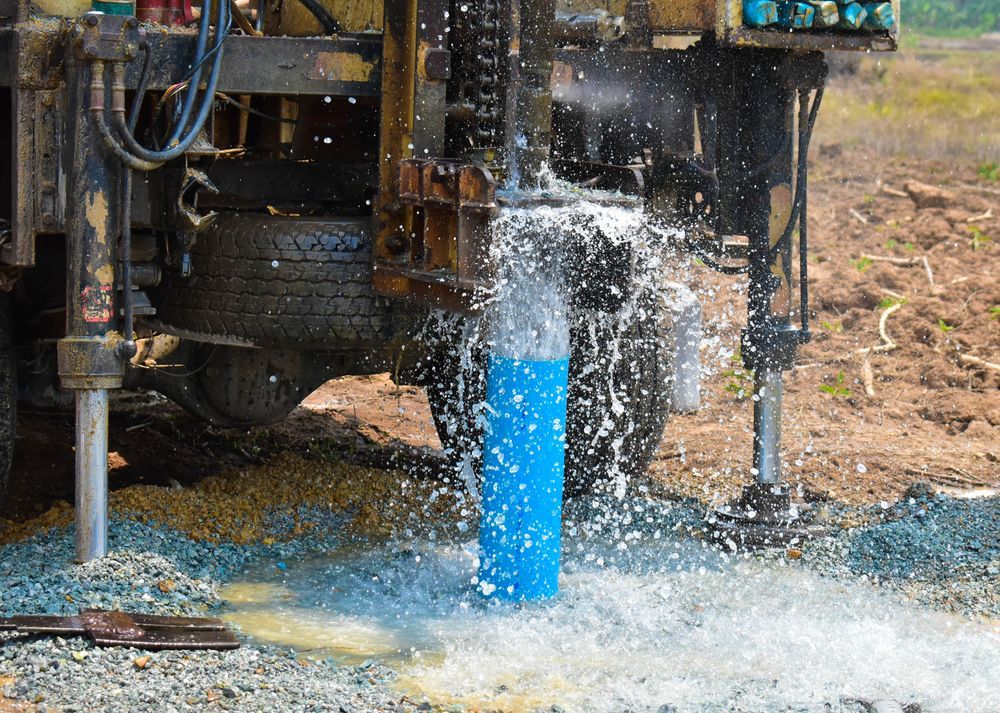
Coastal air and sandy soils mean water bore cleaning in Rainbow Beach and Tin Can Bay is just as important as drilling itself. Over time, salt, minerals and fine sediment can collect inside the bore casing, restricting flow and affecting water taste. Cleaning removes these deposits, restores pressure and reduces strain on pumps and fittings.
Using airlifting, brushing and gentle treatment, the system’s cleared safely without damaging its structure. Regular cleaning keeps water fresh and clear, especially in salt-prone or high-humidity areas. For homes and properties near Rainbow Beach and Tin Can Bay, maintaining the bore every few years helps prevent corrosion and keeps water moving smoothly, no matter the season.


